XXXVIII CONGRESO ASEPELT 2025
- Programa
- Comités
- Consejo Ejecutivo
- Premios
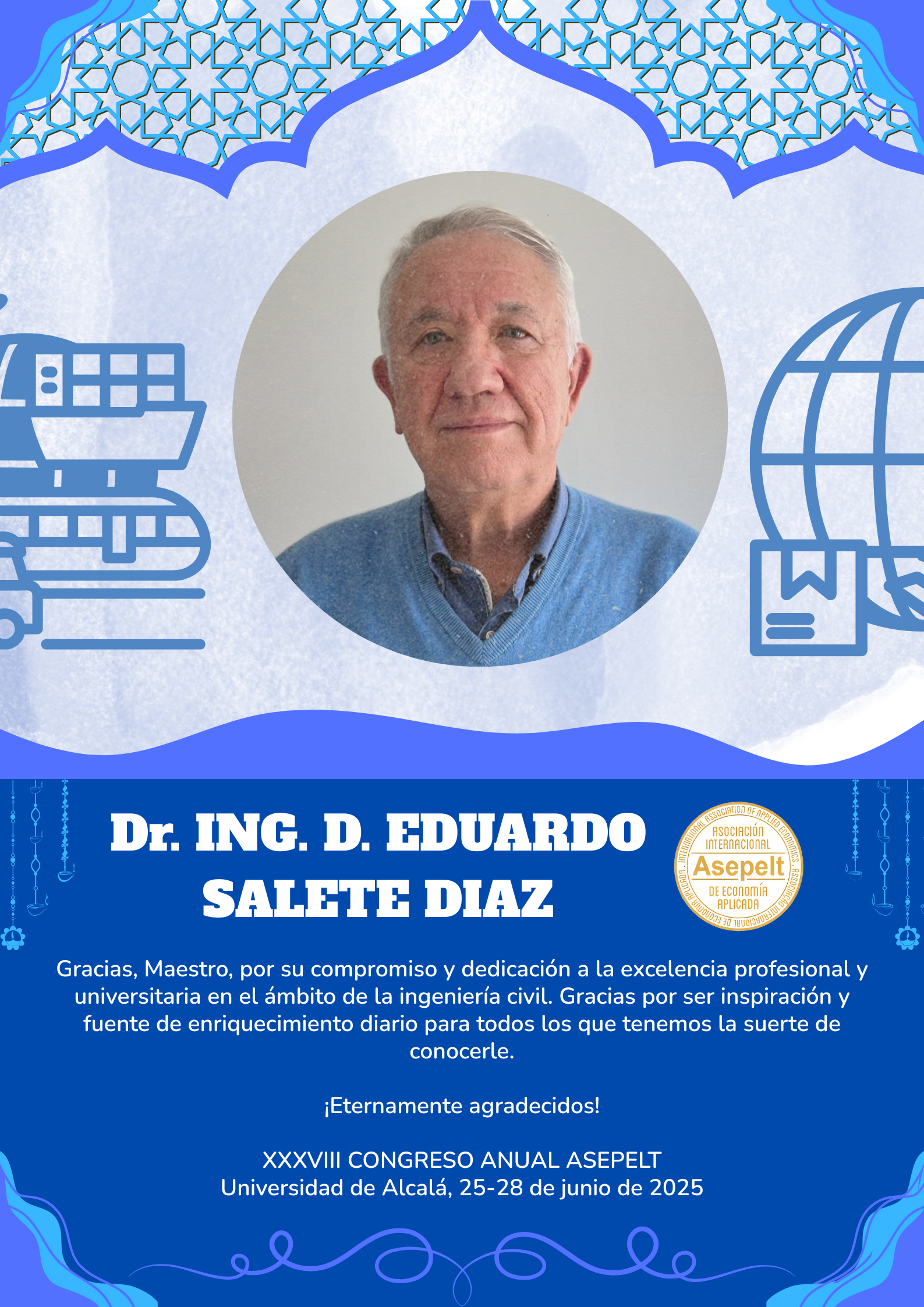
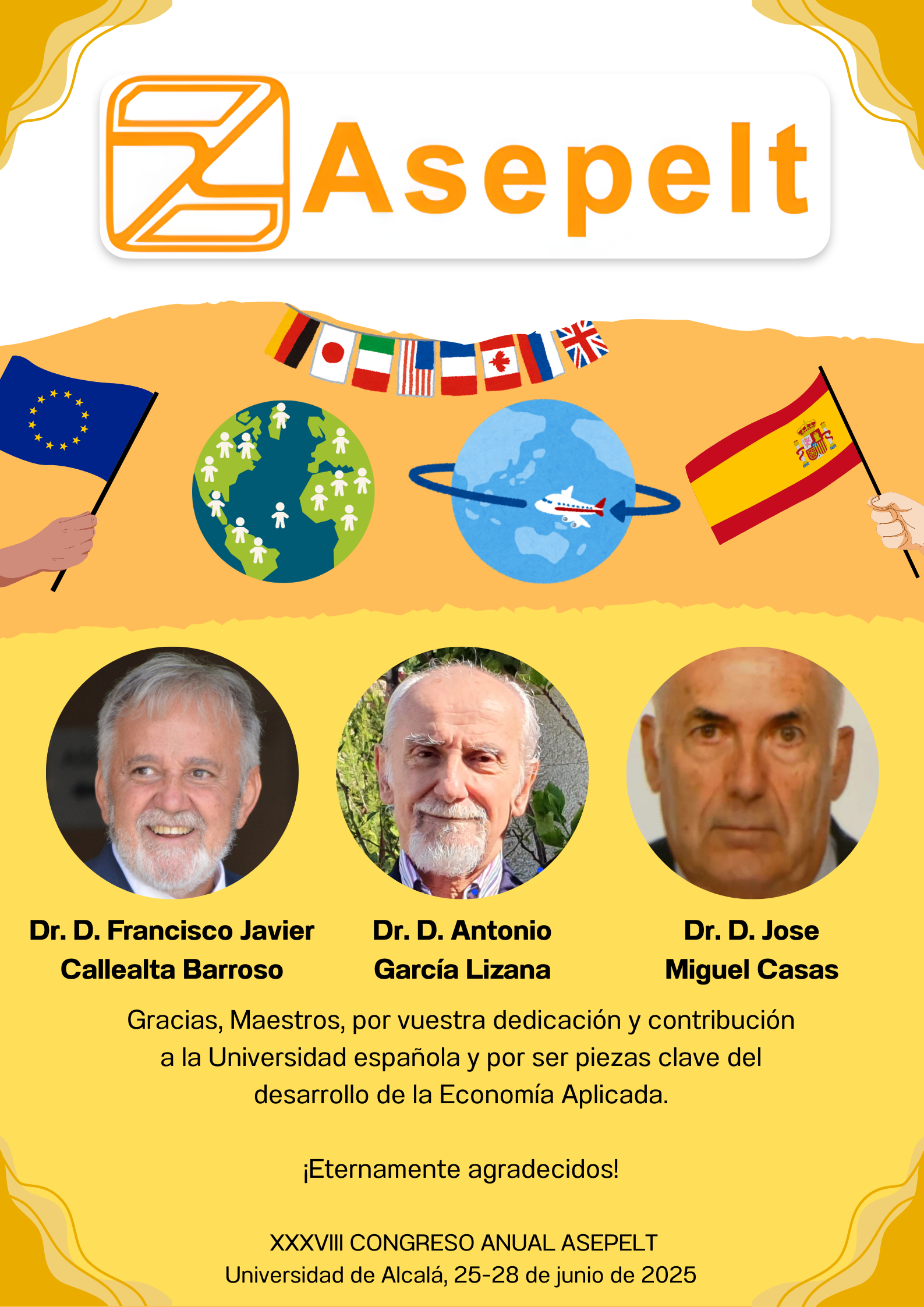
- Homenajes
- Oportunidades de Publicación
- Innovación Docente
- Economía Aplicada
MIÉRCOLES 25 de JUNIO 2025
SECOND INTERNATIONAL ASEPELT CONFERENCE
TEACHING INNOVATIONS IN ECONOMICS, ALCALÁ DE HENARES
Se publicará un libro de la Editorial Springer sobreTeaching Innovations in Economics. Integrating Artificial Intelligence and Emerging Technologies. Para más información consultar «call for contributions». Al mismo tiempo que las sesiones paralelas de la tarde se celebrará el seminario ASEPELT “Uso de la Inteligencia Artificial en la Actividad Investigadora”, al que podrán asistir opcionalmente los inscritos en la II INTERNATIONAL ASEPELT CONFERENCE ON TEACHING INNOVATIONS IN ECONOMICS
Lugar: Facultad de Ciencias Económicas, Empresariales y Turismo
9:30-11:00
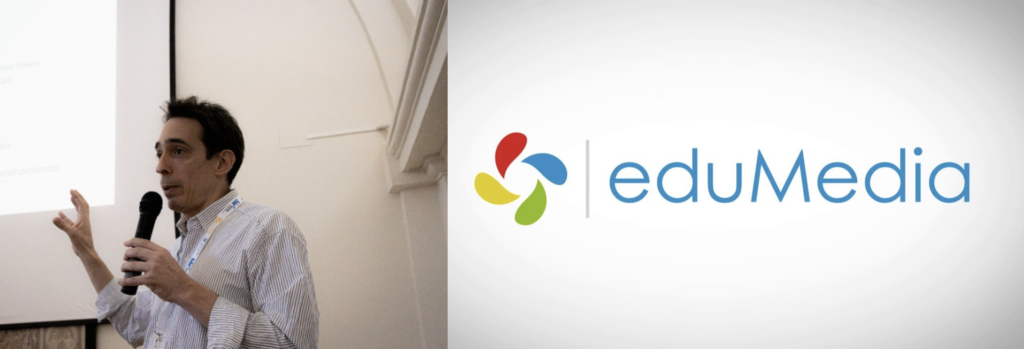
💫GUEST SPEAKER: Enrique Box
EduMAIA, Argentina
Rethinking the Human: Education, Artificial Intelligence, and Our Role in the Era of Intelligent Agents
Enrique (Henry) Box is a technology strategist and AI architect with over 25 years of experience in software development, innovation, and digital transformation. He worked as a consultant
and solutions architect for global firms such asMicrosoft, Accenture, andNEC, participating in high-impact projects across Latin America, the United States, and Europe.
His work spanned diverse industries including government, financial services, and telecommunications—often leading complex architecture engagements for large enterprises in short, high-intensity cycles.He has founded and co-founded ventures includingBeyondJS,RVD.AI,Huddle Group,eFan Zone, andMyDDoc.
He is currently focused on BeyondJS, a modular TypeScript framework designed for building AI agents and modern user interfaces, and onRVD.AI, an AI-powered educational platform that helps teachers and students develop essential 21st-century skills. Together with international partners, he is also expanding this work to corporate learning environments.His current work is grounded inEduMAIA, a new educational methodology that integrates artificial intelligence into the classroom, positioning the teacher as a learning orchestrator and enabling personalized, skill-based learning for every student.
11:00-11:30

PAUSA PARA CAFÉ
11:30-12:30
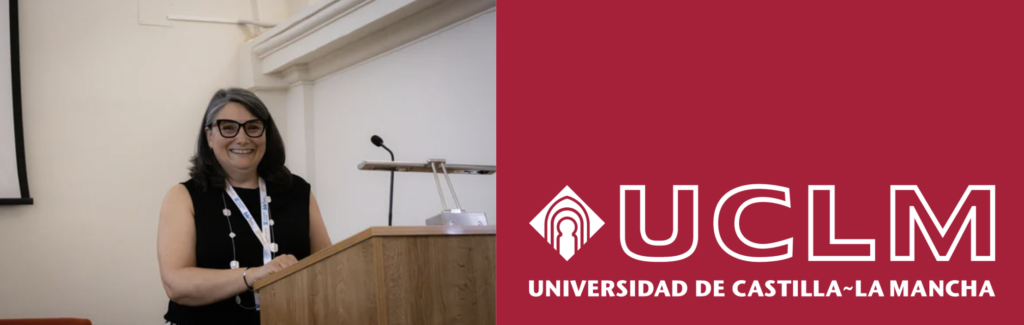
💫GUEST SPEAKER: María José Ruiz García
Universidad de Castilla La Mancha
Una caja de herramientas para la eficiencia docente
María JoséRuiz García es Profesora Titular de Química Inorgánica y Coordinadora del Máster Universitario en Profesor de Educación Secundaria Obligatoria y Bachillerato, Formación Profesional y Enseñanza de Idiomas en la UCLM (MUFPS).
Es responsable las asignaturas “Innovación docente en las ciencias”y “Seminario de investigación educativa en Ciencias”desde la implantación de dicho máster en el curso 2009-2010.Ha participado en numerosos proyectos, congresos y jornadas sobre innovación educativa. También es docente en el Plan de formación e innovación de la UCLM desde el curso 16-17, así como en el Plan de formación del G9 desde el curso 19-20 hasta la actualidad. En mayo de 2024 recibió el Reconocimiento de la Universidad de Castilla –La Mancha en la modalidad de Innovación Docente.
14:00-16:00

PAUSA PARA COMER
17:30-18:00
PAUSA PARA CAFÉ
MIÉRCOLES 25 de JUNIO 2025
XXXVIII CONGRESO INTERNACIONAL ASEPELT, ALCALÁ DE HENARES
Zero Hunger: Health, Production, Economics and Sustainability
Excepto algunas actividades, todas las sesiones tendrán lugar en laFacultad de Ciencias Económicas, Empresariales y Turismo de la Universidad de Alcalá.
16:00-19:30
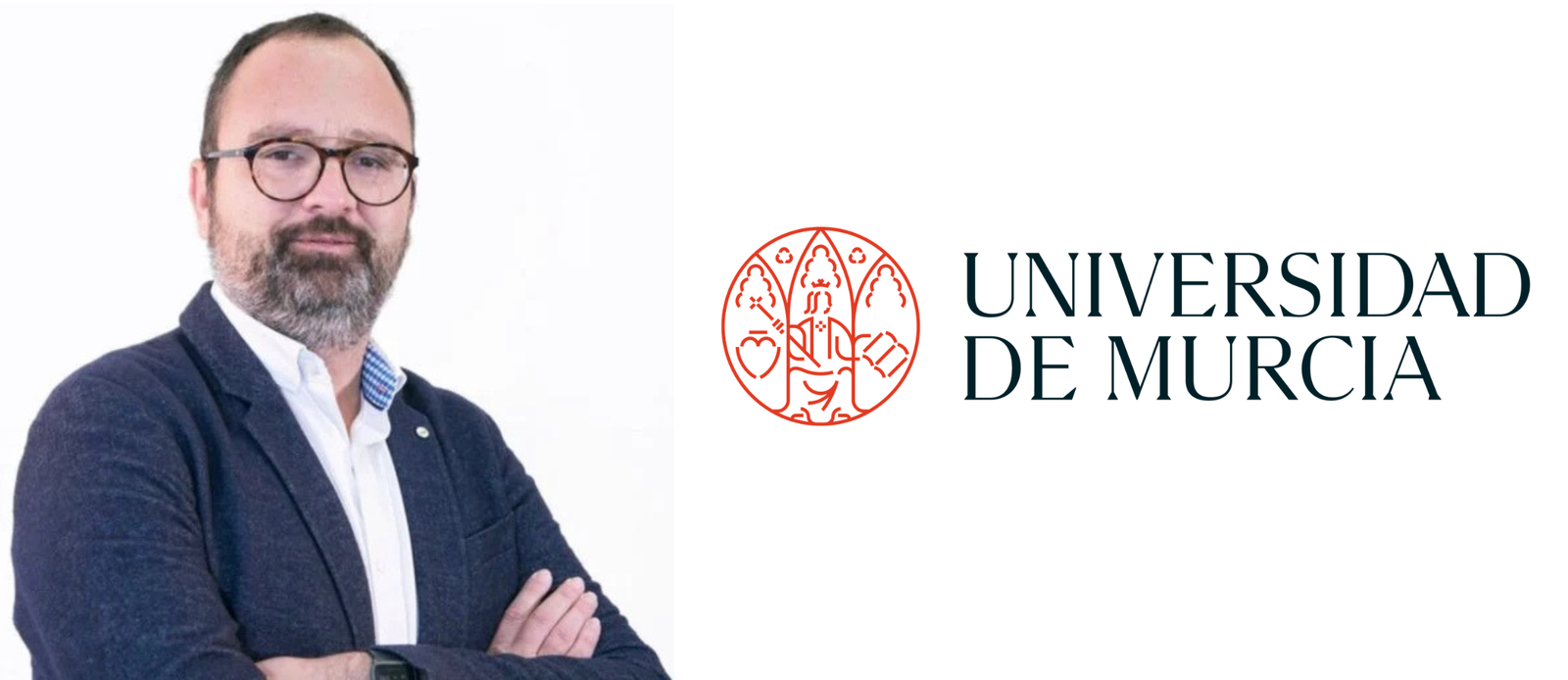
💫GUEST SPEAKER: José Manuel Santos Jaén.
Universidad de Murcia
Uso de la Inteligencia Artificial en la Actividad Investigadora
Jose Manuel Santos Jaén es Profesor Titular del Departamento de Economía Financiera y Contabilidad en la Universidad de Murcia, con una sólida formación académica que incluye los títulos de Graduado en Administración y Dirección de Empresas, Graduado en Derecho, Diplomado en Ciencias Empresariales (Primer Premio Nacional),
Máster en Auditoría de Cuentas, Máster en Dirección Financiera y Máster en Business Administration.
Además, es Doctor en Ciencias Sociales, Jurídicas y de la Empresa.Forma parte de las cátedras de Economía Social y de Responsabilidad Social Corporativa de la Universidad de Murcia, así como de la Cátedra de Publicaciones Científicas y/o Técnicas del Consejo General de Economistas.
El profesor Santos Jaén posee una trayectoria profesional de más de 18 años, desempeñando roles de liderazgo en departamentos económico-financieros y como Director General de una entidad sin fines lucrativos. Ha sido responsable máximo de los aspectos económicos de entidades del sector de la construcción y cuenta con experiencia como perito económico ante tribunales de justicia.Siempre en la vanguardia de la investigación y la innovación docente, su amplia labor investigadora se ha visto recientemente ampliada con sus contribuciones en el ámbito de la Inteligencia Artificial, que se han plasmado en libros, artículos científicos, comunicaciones en congresos internacionales, e incluso en proyectos de investigación de innovación docente vinculada a la Inteligencia Artificial.
Gran divulgador, el profesor Santos Jaén es uno de los keynote speakers más solicitados por las universidadesy escuelas de negocio españolas en cuestiones de Inteligencia Artificial dirigida a investigadores y directivos de empresas.
JUEVES 26 de JUNIO 2025
12:00-12:30
PAUSA PARA CAFÉ
12:30-14:00
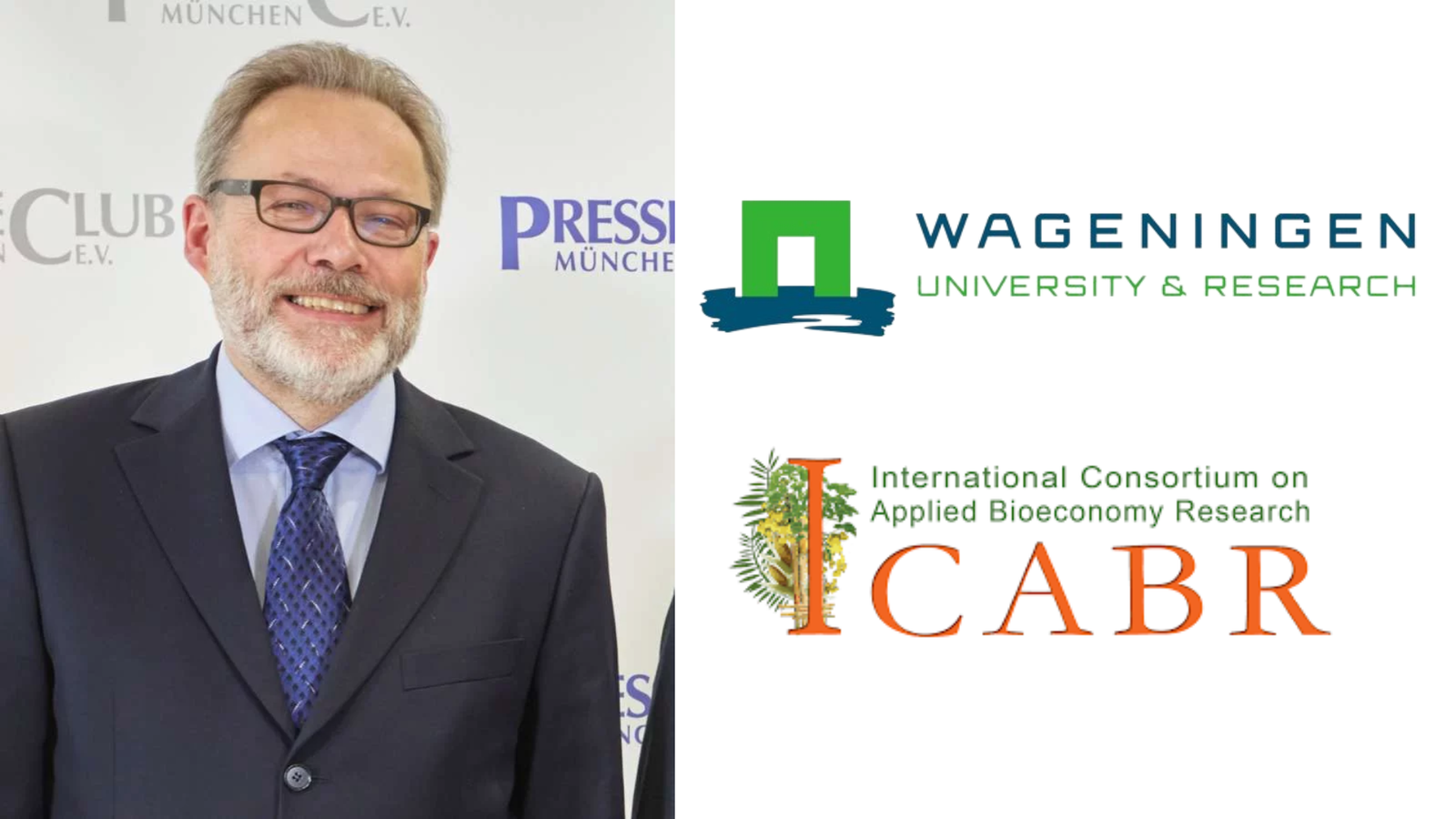
💫GUEST SPEAKER: Justus Wesseler
SESIÓN PLENARIA LAWRENCE KLEIN
Wageningen University & Research (The Netherlands).
President of the International Consortium on Applied Bioeconomy Research
The Sustainability Economics of Zero Hunger
Prof. Dr. Justus Wesseler holds the chair in Agricultural Economics and Rural Policy at Wageningen University, The Netherlands. He has a degree in agricultural, environmental and natural resource economics from the University of Göttingen, Germany.
His research work is on bioeconomy economics and policies. The major focus is on the contribution of value chains to improve sustainability and the impact of new technologies and regulations on the value chain in this respect. His research work has been widely published in peer-reviewed journals and books.
He is the president of the International Consortium of Applied Bioeconomy Research (ICABR). He has been involved in several small and large-scale international research projects as team member and/or coordinator and has been invited to serve as an adviser in academia, policy, and research.
14:00-16:00
PAUSA PARA COMER
17:30-18:00
PAUSA PARA CAFÉ
18:00-19:00
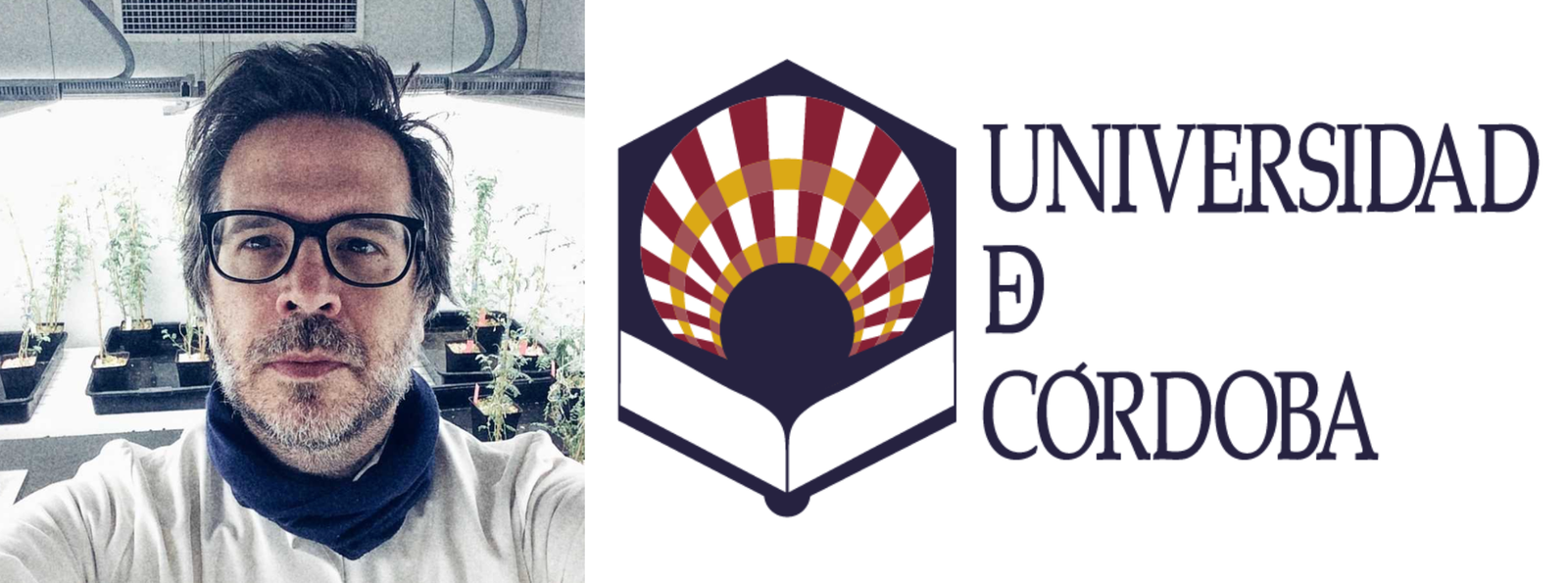
💫GUEST SPEAKER: José Vicente Die
SESIÓN PLENARIA WASSILY LEONTIEF
University of Córdoba, Spain
CRISPR gene editing: reshaping the future of Agriculture
Dr. José V. Die is a Ramón y Cajal fellow at the Department of Genetics at the University of Córdoba. His professional career, focused on plant genetics, has been dedicated over the past decade to the application of genomic tools for gene expression analysis and the study of large-scale genomic and transcriptomic data. These efforts aim to support and optimize crop improvement programs.
He holds a degree in Agricultural Engineering from the Polytechnic University of Valencia and a Ph.D. in Agricultural Engineering from the University of Córdoba. Dr. Die worked for five years at the United States Department of Agriculture (USDA) and has carried out research stays at prestigious institutions such as the Institute for Plant Genetics at the University of Hannover, the Max Planck Institute for Molecular Plant Physiology, and the U.S. National Institutes of Health (NIH), where he participated in the Visiting Scientist Program.
Since joining the University of Córdoba in 2017, he has combined his research activity with teaching responsibilities in the undergraduate programs of Science, Agricultural Engineering, and Biotechnology, where he teaches courses related to his area of expertise. He is also a faculty member in the Master’s programs in Agricultural Engineering and Biotechnology.
Dr. Die has participated as a team member in several international research projects and is currently coordinating one national and one regional project. Both projects focus on the application of genomic technologies and bioinformatics tools to support plant breeding programs.
VIERNES 27 de JUNIO 2025
10:00-11:00
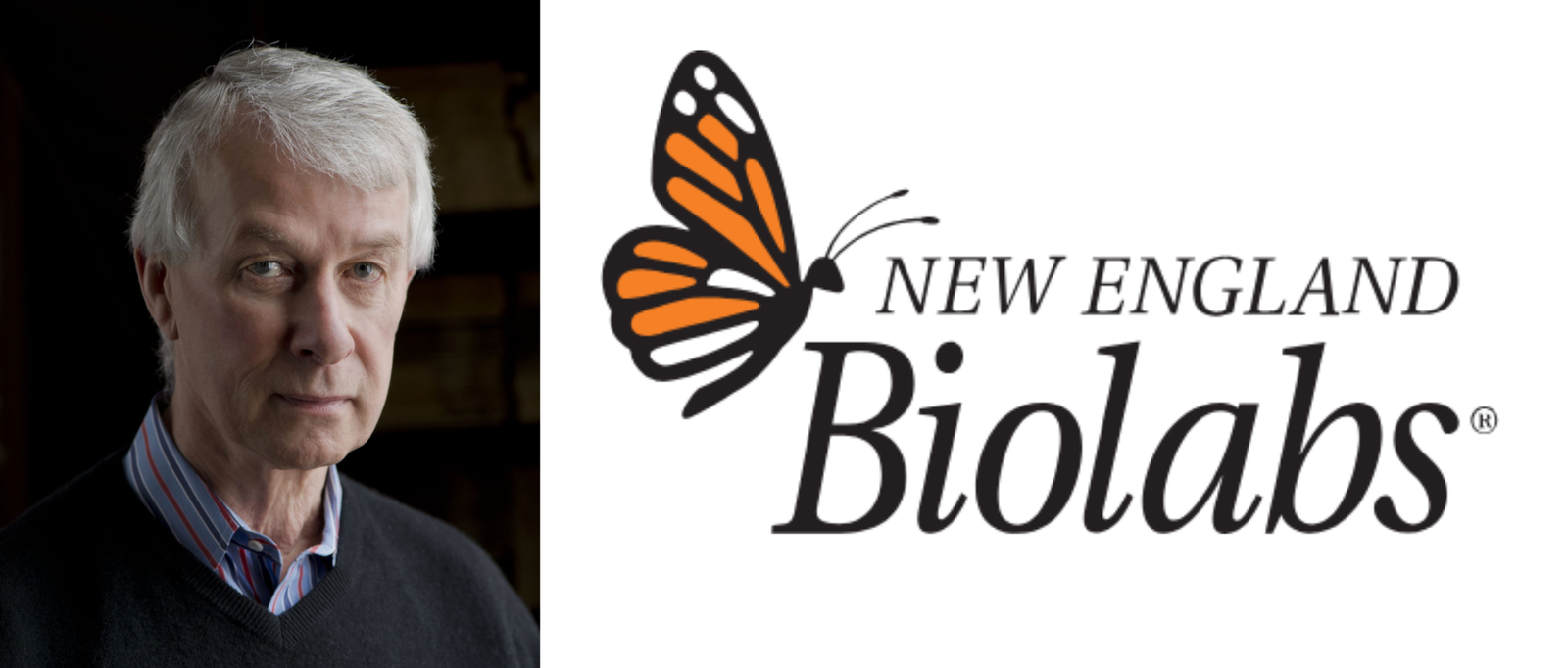
💫GUEST SPEAKER: Sir Richard J. Roberts
CONFERENCIA PLENARIA
Fact and Fiction about GMOs and the Future of Biotechnology
When Monsanto first tried to introduce GMO seeds into Europe there was a backlash by the Green parties and their political allies, who feared that American agro-business was poised to take over their food supply. Thus began a massive campaign to discredit GMOs and scare people away from them. This has had disastrous consequences for one of the most promising technologies ever developed for improving food supplies.
The success of the campaign has been particularly harmful in the developing world where GMO solutions for crop improvement are either being stymied or overly-regulated if not totally prevented. I will briefly describe the history of agriculture and plant breeding to show that the methods of GMO technology are safer, if anything, than traditional breeding approaches, which the Green parties would have us believe are perfectly safe.
I will describe some of the GMO crops that can be beneficial to poor people in developing countries including the development of Golden Rice, which can help combat Vitamin A deficiency a nutrient problem that currently kills or physically impairs one to two million children every year. Finally, I will give some examples of how GMOs can solve a variety of problems facing humanity.
11:00-11:30
PAUSA PARA CAFÉ
11:30-13:00
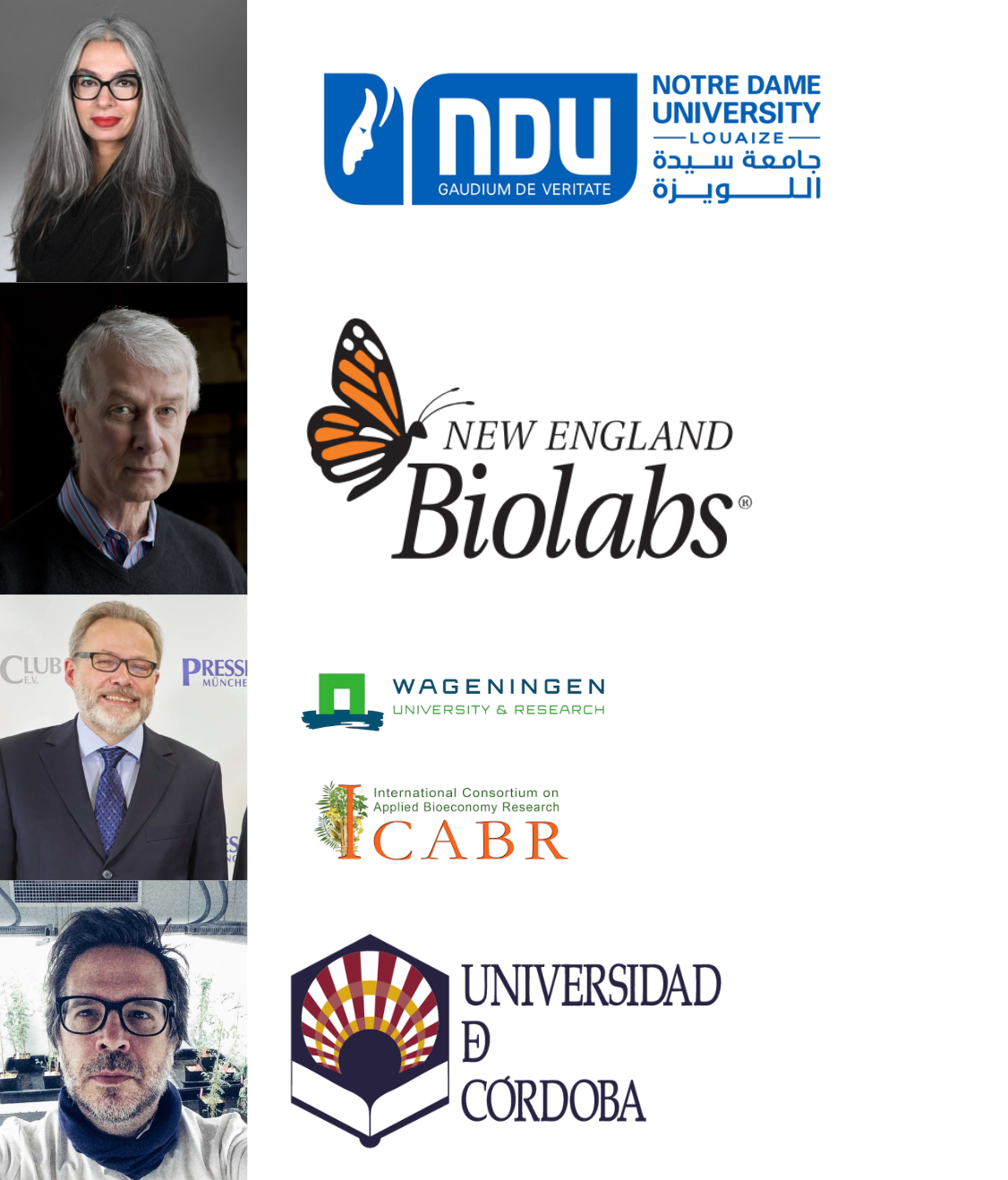
🎓 MESA REDONDA
The solution to the multifaceted problem of world hunger. Not only applied economics…
💫Viviane Naimy
Viviane Naimy is a Professor of Finance and Dean of the Faculty of Business Administration and Economics at Notre Dame University, Lebanon. An expert in financial econometrics and risk management, she has an extensive publication record in these fields.
As Dean, she successfully led the AACSB and other programmatic accreditation processes. Passionate about poverty reduction, Naimy co-founded and presides over the Sustainable Farming Technology Association (SFT) with Nobel laureate Sir Richard Roberts, focusing on sustainable agriculture and actively working on poverty reduction through the SFT initiative in Lebanon.
She also initiated the establishment of the Journal of Sustainable Economies in collaboration with Northeastern University, dedicated to addressing poverty and hunger. Additionally, Naimy leads the Beta Gamma Sigma chapter at Notre Dame University, Lebanon, and is a piano composer.
💫 Justus Wesseler
Prof. Dr. Justus Wesseler holds the chair in Agricultural Economics and Rural Policy at Wageningen University, The Netherlands. He has a degree in agricultural, environmental and natural resource economics from the University of Göttingen, Germany.
His research work is on bioeconomy economics and policies. The major focus is on the contribution of value chains to improve sustainability and the impact of new technologies and regulations on the value chain in this respect. His research work has been widely published in peer-reviewed journals and books.
He is the president of the International Consortium of Applied Bioeconomy Research (ICABR). He has been involved in several small and large-scale international research projects as team member and/or coordinator and has been invited to serve as an adviser in academia, policy, and research.
💫 José Vicente Die
Dr. José V. Die is a Ramón y Cajal fellow at the Department of Genetics at the University of Córdoba. His professional career, focused on plant genetics, has been dedicated over the past decade to the application of genomic tools for gene expression analysis and the study of large-scale genomic and transcriptomic data. These efforts aim to support and optimize crop improvement programs.
He holds a degree in Agricultural Engineering from the Polytechnic University of Valencia and a Ph.D. in Agricultural Engineering from the University of Córdoba. Dr. Die worked for five years at the United States Department of Agriculture (USDA) and has carried out research stays at prestigious institutions such as the Institute for Plant Genetics at the University of Hannover, the Max Planck Institute for Molecular Plant Physiology, and the U.S. National Institutes of Health (NIH), where he participated in the Visiting Scientist Program.
Since joining the University of Córdoba in 2017, he has combined his research activity with teaching responsibilities in the undergraduate programs of Science, Agricultural Engineering, and Biotechnology, where he teaches courses related to his area of expertise. He is also a faculty member in the Master’s programs in Agricultural Engineering and Biotechnology.
Dr. Die has participated as a team member in several international research projects and is currently coordinating one national and one regional project. Both projects focus on the application of genomic technologies and bioinformatics tools to support plant breeding programs.
💫 Padre Ángel
Ángel García Rodríguez, better known as Father Ángel, is a Spanish Catholic priest and philanthropist. He is the founder and president of the NGO Mensajeros de la Paz, which was awarded the Prince of Asturias Award for Concord in 1994. His philanthropic work began in 1962, after a visit to the Oviedo Orphanage, after having just been ordained a priest. He was assigned there to take care of the chaplaincy. That year he founded his NGO together with Ángel Silva Sánchez. Based in Madrid, from his parish, San Antón, he has undertaken various solidarity initiatives.
The church remains open 24 hours a day, to house homeless people and offer them breakfast. In 2016 he opened the Robin Hood restaurant, which has the peculiarity of being a normal establishment during the day but which, from 7 pm, offers free dinner to disadvantaged people.
He has been awarded the Gold Medal for Merit in Labor in 2014, named Honorary Member of KM Solidarity in 2018 and awarded the Beato de Liébana Prize for International Cohesion in 2019 and the Fernando de los Ríos Prize in 2024. For more detailed info in Spanish click here
14:30-16:00
PAUSA PARA COMER
17:30-18:00

CONOCES BUSINESS LEADERS EDUCATION
Formación superior en negocios, emprendimiento y finanzas con conexión directa al mercado
Microeconomías Circulares: Tecnologías de Big Data y Machine Learning para luchar contra la Contaminación en los Océanos
Ponente:
– María Fernanda González Gutiérrez Ph.D. Doctora en Física Cuántica y Experta en Machine Learning y Big Data. CEO & Founder at FREGATA SPACE
Presenta:
– D. Sergio Reyes. Coordinador de pensamiento verde de la Fundación Philippe Cousteau “Unión de los Océanos”
21:30

CENA DE GALA, HOMENAJES Y ENTREGA DE PREMIOS
SÁBADO 28 de JUNIO 2025
14:00-16:00
PAUSA PARA COMER
- Economía Aplicada
- Innovación Docente
- Comité Organizador
- Comité Científico
Presidente del Comité Organizador
Luis F. Rivera Galicia (University of Alcalá, Spain)
Miembros del Comité
Adrián Cabrera Barba (University of Alcalá, Spain)
Ana Karina Alfaro Moreno (University of Alcalá, Spain)
Beatriz Núñez Domínguez (University of Alcalá, Spain)
Carlos Mir Fernández (University of Alcalá, Spain)
Carmelo García Pérez (University of Alcalá, Spain)
Carmen Ramos Herrera (University of Alcalá, Spain)
Emanuelle Mendes Pereira Lino (University of Alcalá, Spain)
Emilia Isabel Martos Gálvez (University of Alcalá, Spain)
Eva Senra Díaz (University of Alcalá, Spain)
J. Javier Núñez Velázquez (University of Alcalá, Spain)
José María Montero Lorenzo (University of Castilla-La Mancha, Spain. President of ASEPELT)
Juana Domínguez Domínguez (University of Alcalá, Spain)
María de los Ángeles Medina Sánchez (Complutense University of Madrid, Spain. Secretary-General of ASEPELT)
Mónica Giménez Baldazo (University of Alcalá, Spain)
Pablo Federico Martí (University of Alcalá, Spain)
Pablo J. Alonso González (University of Alcalá, Spain))
Patricia Aranda Cuéllar (University of Alcalá, Spain)
Purificación Granero Gómez (University of Alcalá, Spain)
Ana Isabel Zamora Sanz (University of Alcalá, Spain)
Presidente del Comité Científico
Eva Senra Díaz (University of Alcalá, Spain)
Miembros del Comité
Abdel El-Shaarawi (Cairo University and Egypt National Water Research Institute, Egypt, Canada)
Adrián Cabrera Barba (University of Alcalá, Spain)
Alberto Turón Lanuza (University of Zaragoza, Spain)
Aleksandra Matuszewska-Janica (Warsaw University of Live Sciences, Poland)
Alexei Orlov (Radford University, USA)
Alfredo Cristóbal Cristóbal (Spanish Statistics Office, Spain)
Ana I. Muro Rodríguez (University of Castilla-La Mancha, Spain)
Ana Isabel Zamora Sanz (University of Alcalá, Spain)
Ana Jesús López (University of Oviedo, Spain)
Ana Karina Alfaro Moreno (University of Alcalá, Spain)
Ansgar Belke (University Duisburg-Essen, Germany)
Antonio Calvo Bernardino (San Pablo CEU University)
Antonio Duarte Santos (Autonomous University of Lisbon)
Beatriz Núñez Domínguez (University of Alcalá, Spain)
Carla Andrade Arteaga (Universityof Guayaquil, Ecuador)
Carlos María Fernández Jardón (University of Vigo, Spain)
Carlos Mir Fernández (University of Alcalá, Spain)
Carmelo García Pérez (University of Alcalá, Spain)
Carmen Ramos Herrera (University of Alcalá, Spain)
Cecilia Kindelán Amorrich (ESIC Business & Marketing School, Spain)
Cesaltina Pacheco Pires, University of Évora, Portugal)
Cristina Sanchez-Figueroa (UNED, Spain)
Daniel K. Twerefou (University of Ghana, Ghana)
David Patiño Rodríguez (University of Seville, Spain)
Dorota Witkowska (University of Lodz, Poland)
Emanuelle Mendes Pereira Lino (University of Alcalá, Spain)
Emilia Isabel Martos Gálvez (University of Alcalá, Spain)
Emilio Porcu (Trinity College of Dublin, Ireland)
Feng Zhen (Renmin University, China)
Fernando Bruna Quintas (University of A Coruña, Spain)
Francisco Javier Fernández Fernández (BBVA bank, Spain)
Gema Fernández-Avilés Calderón (University of Castilla-La Mancha, Spain)
Ginés Guirao Pérez (University of La Laguna, Spain)
Guido Ferrari (Florence University and Remnin University, Italy and China)
Ignacio Contreras Rubio (University Pablo de Olavide, Spain)
Ismael Caballero (University of Castilla-La Mancha, Spain)
Israel R. Pérez Jiménez (University of Castilla-La Mancha, Spain)
J. Javier Núñez Velázquez (University of Alcalá, Spain)
James M. Chen (Michigan State University, USA)
Jean Francois Racicot (Telfer School of Management at the University of Ottawa, Canada)
Jorge Luis Bazán (São Paulo University, Brasil)
José Javier Galán Hernández (University Complutense of Madrid, Spain)
José María Montero, (University of Castilla-La Mancha, Spain. President of ASEPELT)
José María Moreno Jiménez (University of Zaragoza, Spain)
Josefa E. Fernández Arufe (University of Valladolid, Spain)
Juan Evangelista Trinidad Segovia (University of Almería, Spain)
Juan José García Del Hoyo (University of Huelva, Spain)
Juan Ramón Gallego Bono (University of Valencia, Spain)
Juana Domínguez Domínguez (University of Alcalá, Spain)
Krzysztof Kompa (University of Johannesburg, SouthAfrica)
Luis Felipe Rivera Galicia (University of Alcalá, Spain)
Luis García Vargas (University of Pittsburg, USA)
Marek Dietl (Warsaw Stock Exchange (President, Poland))
María de los Ángeles Medina Sánchez (Complutense University of Madrid, Spain. Secretary-General of ASEPELT)
María Ángela Celis Sánchez (University of Castilla-La Mancha, Spain)
María del Carmen López Martín ( University Loyola Andalucía, Spain)
Maria del Carmen Valls Martínez (University of Almería, Spain)
Martin Sevilla Jiménez (University of Alicante, Spain)
Mónica Giménez Baldazo (University of Alcalá, Spain)
Muhhammad Imran Qureshi (Technical University of Malaysia Malacca)
Pablo Cousteau Vida (Fundación Philippe Cousteau, Spain)
Pablo Federico Martí (University of Alcalá, Spain)
Pablo J. Alonso González ((University of Alcalá, Spain))
Paloma Taltavull de la Paz (University of Alicante, Spain)
Patricia Aranda Cuéllar (University of Alcalá, Spain)
Pierre Rostan (American University in Armenia, Armenia)
Rafael Herrerías Pleguezuelo (University of Granada, Spain)
Rafael Lobeto Lobo (Fundación Philippe Cousteau and Corporación Marítima, Spain)
Ramón A. Carrasco González (Complutense University of Madrid, Spain)
Raymond Theoret (University of Quebec at Montreal, Canada)
Sandra Cristina Ribeiro (Autonomous University of Lisboa, Portugal)
Sergio Soza (Chilean Austral University, Chile)
Tiziane Laureti (University of Tuscia, Italy)
Valentina Cueva López (University of Jaen, Spain)
Vicente Jakas (Saarland University, Germany)
Yan Yun Zhao (Renmin University, China)
Yochanan Shachmurove (The City University in New York and University of Pennsylvania, USA)
- Comité Organizador
- Comité Científico
Presidentes
Luis F. Rivera Galicia (University of Alcalá, Spain)
Eva Senra Díaz (University of Alcalá, Spain)
Miembros del Comité
Adrián Cabrera Barba (University of Alcalá, Spain)
Ana Karina Alfaro Moreno (University of Alcalá, Spain)
Beatriz Núñez Domínguez (University of Alcalá, Spain)
Carlos Mir Fernández (University of Alcalá, Spain)
Carmelo García Pérez (University of Alcalá, Spain)
Emanuelle Mendes Pereira Lino (University of Alcalá, Spain)
Emilia Isabel Martos Gálvez (University of Alcalá, Spain)
Federico Pablo Martí (University of Alcalá, Spain)
J. Javier Núñez Velázquez (University of Alcalá, Spain)
José María Montero Lorenzo (University of Castilla-La Mancha, Spain)
Juana Domínguez Domínguez (University of Alcalá, Spain)
María de los Ángeles Medina Sánchez (Complutense University of Madrid, Spain)
Mónica Giménez Baldazo(University of Alcalá, Spain)
Pablo J. Alonso González ((University of Alcalá, Spain))
Patricia Aranda Cuéllar (University of Alcalá, Spain)
Presidentes
Luis F. Rivera Galicia (University of Alcalá, Spain)
Eva Senra Díaz (University of Alcalá, Spain)
Miembros del Comité
Adrián Cabrera Barba (University of Alcalá, Spain)
Ana Karina Alfaro Moreno (University of Alcalá, Spain)
Beatriz Núñez Domínguez (University of Alcalá, Spain)
Carlos Mir Fernández (University of Alcalá, Spain)
Carmelo García Pérez (University of Alcalá, Spain)
Emanuelle Mendes Pereira Lino (University of Alcalá, Spain)
Emilia Isabel Martos Gálvez (University of Alcalá, Spain)
Federico Pablo Martí (University of Alcalá, Spain)
José Javier Galán Hernández (University Complutense of Madrid, Spain)
J. Javier Núñez Velázquez (University of Alcalá, Spain)
José María Montero Lorenzo (University of Castilla-La Mancha, Spain)
Juana Domínguez Domínguez (University of Alcalá, Spain)
María de los Ángeles Medina Sánchez (Complutense University of Madrid, Spain)
Mónica Giménez Baldazo(University of Alcalá, Spain)
Pablo J. Alonso González ((University of Alcalá, Spain))
Patricia Aranda Cuéllar (University of Alcalá, Spain)
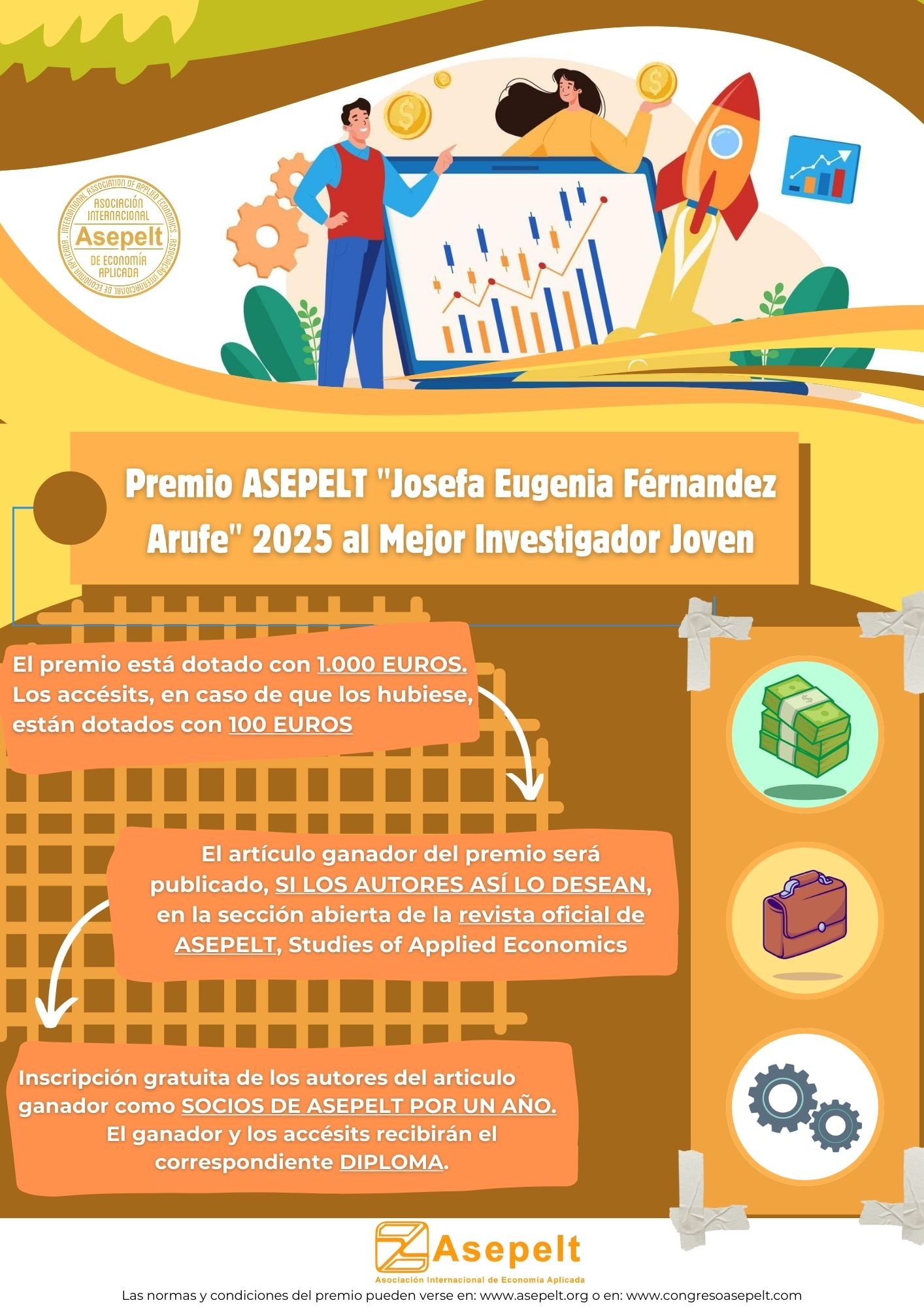
Premio ASEPELT «Josefa Eugenia Férnandez Arufe» 2025 al Mejor Investigador Joven
La Asociación Internacional de Economía Aplicada ASEPELT desea premiar a los jóvenes investigadores y promover el trabajo científico en el ámbito de la Economía Aplicada. Con este objetivo se convoca el Premio ASEPELT Jóvenes Investigadores: Premio Josefa Eugenia Fernández Arufe.
El Premio recaerá en el mejor trabajo, de carácter inédito y no publicado, presentado en el Congreso. Son susceptibles de optar al Premio todos los trabajos presentados en el Congreso firmados por uno o varios investigadores. Para optar al premio, al menos uno de los autores debe tener menos de 30 años en la fecha de celebración del Congreso. Será premiado el Joven Investigador que defienda públicamente el trabajo en cualquiera de las Sesiones del Congreso.
Los Autores deberán manifestar su deseo expreso de participar en el Premio y el trabajo completo deberá ser entregado ANTES DEL 8 DE JUNIO de 2025. Además, deberán presentar la solicitud de inscripción firmada donde figure no sólo el carácter inédito de la comunicación sino la edad de cada uno de los autores firmantes de la misma, y enviarlo a la Secretaría del Congreso (secretario@asepelt.org).
El artículo versará sobre cualquier temática incluida en el área de la Economía Aplicada, debe tener una longitud entre 15 y 25 páginas y tiene que seguir las normas de edición de la Revista Studes of Applied Economics (www.revista-eea.net). Dichas normas pueden consultarse en la pestaña “envío de originales”, donde se facilita a los autores una plantilla (http://www.revista-eea.net/originales.php).
El Jurado de dicho premio estará formado por miembros de los Consejos Académico y Ejecutivo de la Asociación, así como de los Consejos Editores de Estudios de Economía Aplicada y ASEPELT.org, que no sean autores de los trabajos que aspiren al premio, ni tengan una vinculación familiar o institucional con estos. Dicho Jurado tendrá en cuenta la opinión del Comité Científico del Congreso y de los moderadores de las mesas donde se celebre su presentación. El resultado se dará a conocer en la Cena de Gala del Congreso.
El premio está dotado con 1.000 EUROS. Los accésits, en caso de tener lugar, están dotados con 100 EUROS.
El Premio se acreditará con el correspondiente Diploma, que será entregado en la misma Cena de Gala. El trabajo ganador se publicará, SI ASÍ LO DESEAN LOS AUTORES, en la Revista Studies of Applied Economics. Asimismo, el ganador será inscrito gratuitamente como socio de ASEPELT por un año.
El Premio podrá declararse desierto
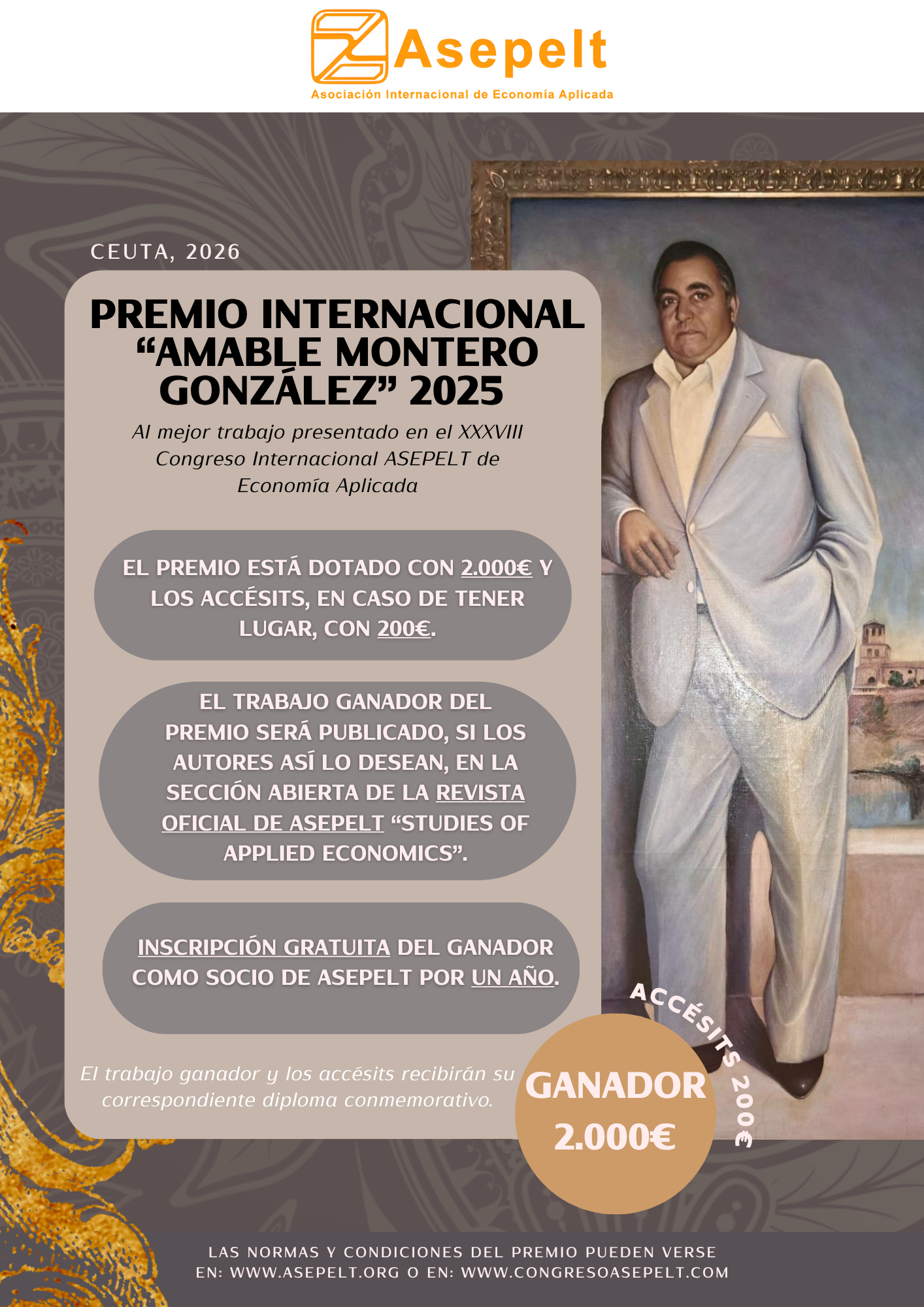
Premio Internacional ASEPELT “Amable Montero González” 2025
Son susceptibles de optar al Premio todos los trabajos presentados firmados por uno o varios investigadores que sean presentados en el XXXVIII Congreso Internacional de Economía Aplicada ASEPELT 2025.
Los Autores deberán manifestar su deseo expreso de participar en el Premio y el trabajo completo deberá ser entregado ANTES DEL 8 DE JUNIO de 2025. Además, deberán presentar la solicitud de inscripción firmada donde figure el carácter inédito de la comunicación, el nombre de los autores y los datos de contacto del autor que los representa, y enviarlo a la Secretaría del Congreso (secretario@asepelt.org).
El trabajo versará sobre cualquier temática incluida en el área de la Economía Aplicada, debe tener una longitud entre 15 y 25 páginas y tiene que seguir las normas de edición de la Revista Studes of Applied Economics (www.revista-eea.net). Dichas normas pueden consultarse en la pestaña “envío de originales”, donde se facilita a los autores una plantilla (http://www.revista-eea.net/originales.php).
El Jurado de dicho premio estará formado por miembros de los Consejos Académico y Ejecutivo de la Asociación, así como de los Consejos Editores de Estudios de Economía Aplicada y ASEPELT.org, que no sean autores de los trabajos que aspiren al premio, ni tengan una vinculación familiar o institucional con estos. Dicho Jurado tendrá en cuenta la opinión del Comité Científico del Congreso y de los moderadores de las mesas donde se celebre su presentación. El resultado se dará a conocer en la Cena de Gala del Congreso.
El premio está dotado con 2.000 EUROS. Los accésits, en caso de tener lugar, están dotados con 250 EUROS.
El Premio se acreditará con el correspondiente Diploma, que será entregado en la misma Cena de Gala. El trabajo ganador se publicará, SI ASÍ LO DESEAN LOS AUTORES, en la Revista Studies of Applied Economics. Asimismo, los autores del trabajo ganador serán inscritos gratuitamente como socios de ASEPELT por un año.
El Premio podrá declararse desierto.